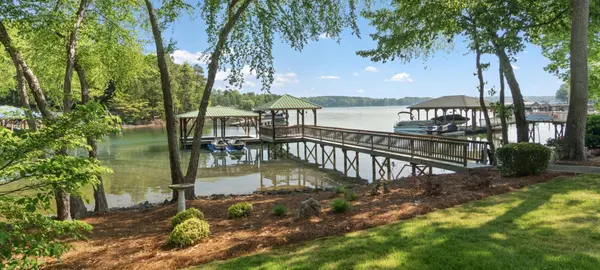

What Are Duke Energy’s Rules About Docks and Shoreline on Lake Norman?
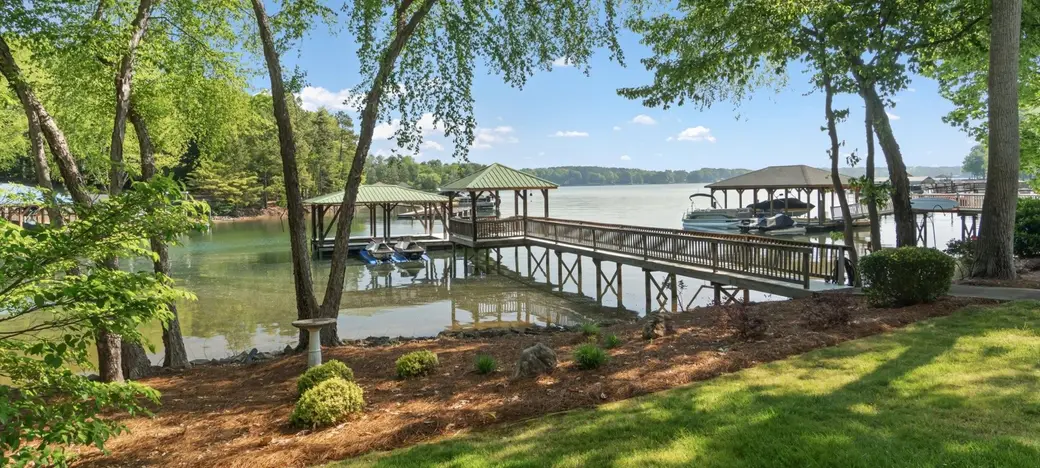
What Are Duke Energy’s Rules About Docks and Shoreline on Lake Norman?
By Michele Weaver, eXp Realty Luxury | The Negotiator Who Owns Lake Norman
If you’ve spent any time house-hunting around Lake Norman, you’ve probably heard someone say:
“Better check with Duke Energy before you touch that dock.”
And they’re absolutely right.
As someone who’s been helping clients buy and sell Lake Norman waterfront homes for nearly 30 years, I can tell you - understanding Duke Energy’s shoreline rules is one of the most important (and most overlooked) parts of buying on the lake.
It’s not the most glamorous topic, but it’s the difference between buying your dream home… and buying a dock-sized headache.
Let’s break it down clearly, so you know exactly how to stay compliant - and confident - when it comes to your waterfront property.
Who Actually “Owns” the Shoreline?
Here’s the first thing most people don’t realize: Duke Energy doesn’t just power our homes - they also manage Lake Norman’s entire shoreline.
That’s because the lake was originally created in the 1960s as part of the Catawba-Wateree Hydroelectric Project. Duke Energy still oversees the lake under a Federal Energy Regulatory Commission (FERC) license.
So even if you own the land up to the water, Duke Energy manages everything below the 760-foot elevation line - including docks, piers, boathouses, and seawalls.
That means any modification, addition, or even replacement must follow Duke Energy Lake Services regulations.
The Basics: Duke Energy Dock & Shoreline Rules
Here’s what you need to know before you buy or build:
1️⃣ You Must Have a Dock Permit.
Every private dock or pier on Lake Norman requires a valid permit from Duke Energy.
When buying a home, make sure:
-
The dock is already permitted and in compliance.
-
The permit will transfer to you after closing.
If the property doesn’t have a dock, you’ll need to apply for one, and approval isn’t guaranteed - it depends on your shoreline classification (more on that next).
💡 Pro Tip: Always verify dock permits during due diligence. I handle this step for all my waterfront clients to avoid surprises later.
2️⃣ Know Your Shoreline Classification.
Duke Energy divides the lake into different shoreline categories:
-
Residential: Eligible for private docks and seawalls (with permits).
-
Commercial / Marina: Reserved for multi-slip docks, yacht clubs, or community marinas.
-
Environmental / Critical Habitat: Protected areas - typically, no new docks or structures allowed.
If a property falls in a critical habitat zone, you may still enjoy the view - but you won’t be adding a private dock there.
3️⃣ Dock Size & Design Are Regulated.
Even if you’re approved, your dock must meet Duke Energy’s specifications for:
-
Size and length
-
Distance from neighboring docks
-
Materials used (environmentally safe)
-
Water depth (minimum 6 feet at full pond)
Each dock must also be built by a licensed marine contractor and follow Duke Energy’s design guidelines.
4️⃣ Shoreline Alterations Need Approval.
Adding a seawall, dredging the shoreline, or even installing a small beach area requires written approval from Duke Energy.
Unauthorized changes can result in fines, removal orders, or even jeopardize your dock permit.
5️⃣ You Can’t “Claim” the Water.
Your dock can’t extend beyond your property’s projected lot lines into the water.
Duke Energy enforces this strictly - especially when two neighbors share a narrow cove.
That’s why professional surveys and dock layouts are crucial before construction.
What Happens If a Dock Isn’t Permitted?
You’d be surprised how often this happens.
A home may have had a dock for decades - but if it was built before Duke Energy’s permit tracking system, it might not be officially documented.
If a dock isn’t permitted:
-
You may need to apply retroactively (if your shoreline qualifies).
-
In rare cases, Duke Energy can require removal or modification if it violates current rules.
That’s why I always advise buyers: never skip permit verification. A beautiful dock isn’t worth much if you can’t legally keep it.
Michele’s Take: Knowledge Is Your Best Protection
I’ve seen too many buyers fall in love with a property - only to find out later they can’t add a lift, rebuild the dock, or even keep what’s there.
That’s why my team takes a proactive approach:
✅ Verify all existing permits before you make an offer
✅ Research shoreline classification and depth
✅ Coordinate with Duke Energy and marine inspectors
✅ Connect you with trusted local contractors for repairs or new builds
Because on Lake Norman, the dock isn’t just an accessory - it’s part of your investment.
The Bottom Line
Understanding Duke Energy’s rules isn’t about red tape - it’s about protecting your property, your value, and your peace of mind.
When you have an experienced local agent guiding you, these details don’t feel overwhelming - they feel empowering.
That’s my job: to make sure your lake home dream stays smooth sailing from the start.
Thinking About Buying or Selling on Lake Norman?
Let’s talk about your goals - and I’ll help you navigate every shoreline detail with clarity and confidence.
👉 Schedule a private consultation today, and I’ll make sure you understand every regulation before you buy - so you can move forward with total peace of mind.
Michele Weaver
The Negotiator Who Owns Lake Norman
eXp Realty Luxury | Denver, NC
📞 (704-903-8294) | 🌐 www.micheleweaver.expportal.com
Categories
Recent Posts